
TMJ therapy for neck and shoulder pain is essential for those experiencing discomfort linked to jaw dysfunction. The temporomandibular joint (TMJ) connects your jaw to your skull, and when it malfunctions, it can lead to a cascade of issues, including pain in the neck and shoulders.
Understanding TMJ Dysfunction
TMJ dysfunction, often referred to as TMD, occurs when the jaw joint and surrounding muscles do not function properly. This can result from various factors, such as:
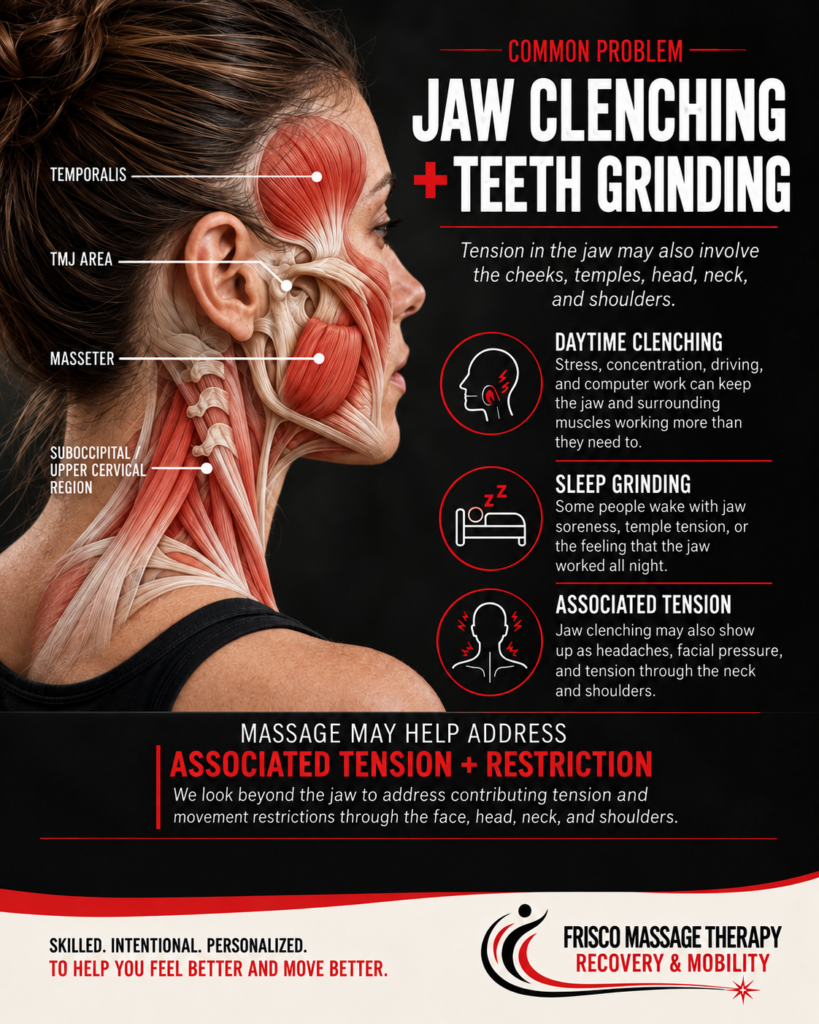
- Teeth grinding or jaw clenching
- Stress and tension
- Misalignment of the jaw or bite
- Poor posture, particularly forward head posture
- Connective tissue imbalances
These issues can lead to significant discomfort not only in the jaw but also radiating pain in the neck and shoulders.
Common Symptoms of TMJ-Related Neck and Shoulder Pain
Recognizing the symptoms associated with TMJ dysfunction is crucial for seeking effective treatment. Common symptoms include:
- Jaw Pain: Persistent pain in the jaw, especially when chewing or speaking.
- Neck Discomfort: Stiffness or pain that may be exacerbated by movement.
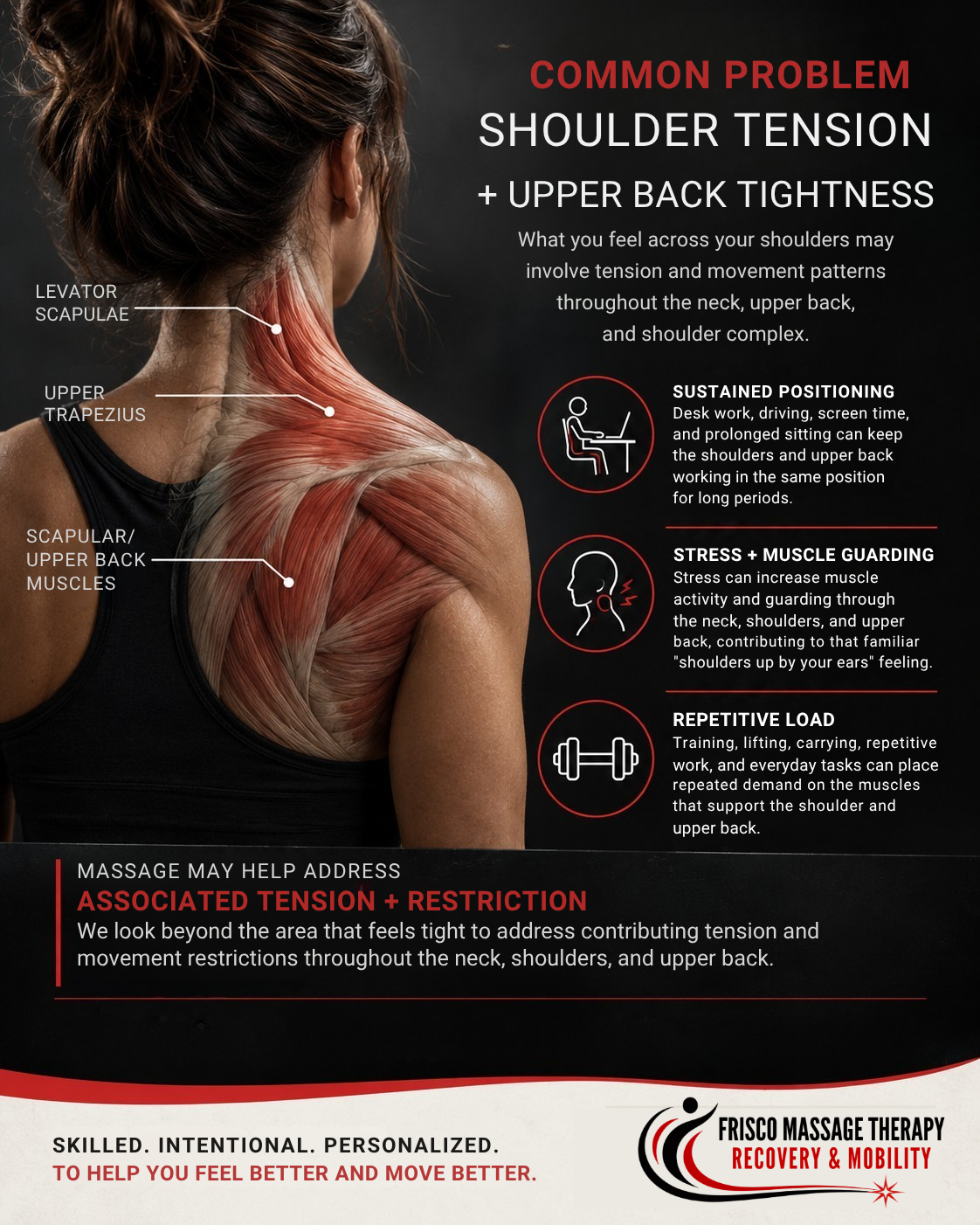
- Shoulder Tension: Tightness in the shoulder muscles that can limit range of motion.
- Headaches: Frequent tension headaches or migraines that often accompany TMJ issues.
- Ear Pain: A sensation of fullness or pain in the ears, which can be mistaken for ear infections.
- Facial Tightness: A feeling of tightness or discomfort in the muscles of the face.
How TMJ Therapy Can Help
At Frisco Massage Therapy, we specialize in TMJ therapy for neck and shoulder pain. Our approach focuses on personalized, evidence-informed techniques designed to relieve tension and restore balance. Here’s how our therapeutic massage sessions can help:
1. Targeted Muscle Release
Therapists use advanced manual therapy techniques to relieve strain in the muscles surrounding the TMJ. This includes:
- Myofascial Release: A technique that targets the fascia to alleviate tension.
- Cranial Techniques: Gentle manipulation to relieve pressure in the head and neck area.
2. Improved Range of Motion
By addressing the root causes of discomfort, our therapy sessions help improve the range of motion in the jaw and neck. This is essential for reducing pain and enhancing overall function.
3. Stress Reduction
Stress is a significant contributor to TMJ dysfunction. Our sessions incorporate relaxation techniques to help reduce stress and promote a sense of well-being.
What to Expect During a TMJ Therapy Session
When you visit Frisco Massage Therapy for TMJ therapy, you can expect a comprehensive approach:
- Intake: A detailed health history form allows us to tailor your session to your specific needs.
- Assessment: We evaluate your posture and movement to identify areas of restriction.
- Therapeutic Care: Our therapists utilize various techniques, including neuromobility and PhysioKinetix, to retrain movement patterns and restore alignment.
- Home Support: At the end of your session, we provide strategies such as stretches and mobility drills to maintain your progress.
Identifying Your Symptoms
If you suspect that your neck and shoulder pain may be related to TMJ dysfunction, consider the following:
- Do you experience frequent headaches or facial pain?
- Is there tightness in your jaw or difficulty opening your mouth?
- Do you notice increased discomfort during stressful situations?
Recognizing these symptoms early can lead to more effective treatment and relief.